


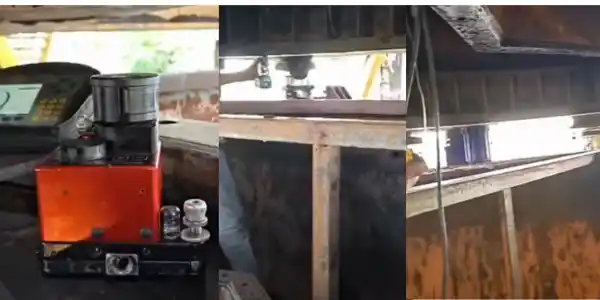
Precision Levelling & Flatness Inspection of Stacker Reclaimer Flange Base
Today we let discuss about, a stacker reclaimer handles bulk materials effective around mining, cement, steel, and power industries. Its flange base supports the machine and maintains structural stability during continuous operations.
So, engineers must inspect and align the flange base regularly. Proper precision levelling and flatness inspection improve equipment performance and le unexpected downtime.
Moreover, corrective alignment prevents excessive wear on structural components and rotating assemblies.
Why Precision Levelling Matters?
Let we start about that precision levelling ensures the flange base remains perfectly aligned before equipment installation. Even a minor level difference can create vibration, uneven loading, and premature component failure.
Grab This: Shaft Alignment Service in Indore
Therefore, technicians perform detailed levelling before assembling the stacker reclaimer. Accurate levelling also improves structural balance and increases equipment reliability throughout daily operations.
Additionally, proper levelling supports smooth rotation and reduces unnecessary mechanical stress. Consequently, industries achieve better productivity and lower maintenance costs over the equipment’s operating life.
Importance of Flatness Inspection
As we know Flatness inspection verifies that every flange mounting surface remains within acceptable tolerances. Uneven flange surfaces often create alignment problems during installation and operation. Therefore, engineers inspect the complete flange surface before final assembly.
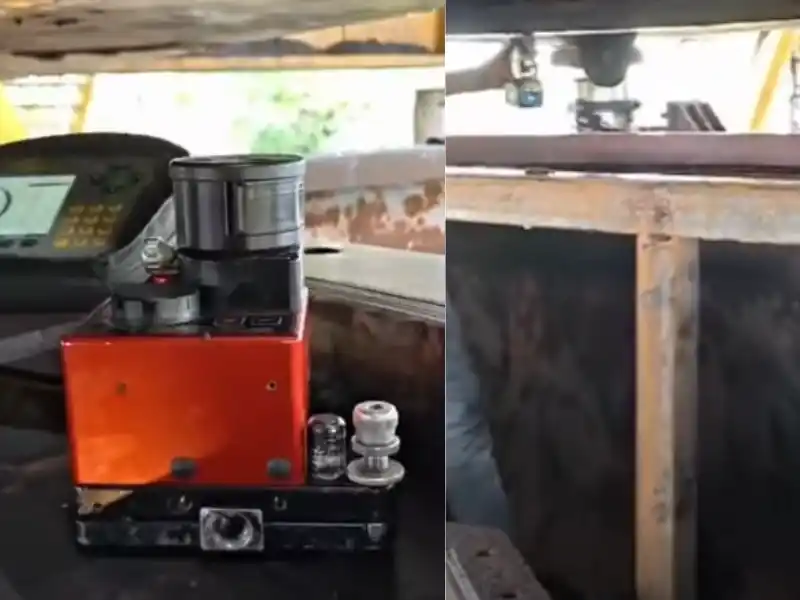
Modern inspection instruments provide accurate measurements across multiple reference points. Technicians compare these readings with engineering specifications and identify high or low areas.
As a result, they determine whether corrective machining or alignment becomes necessary. Regular flatness inspection also prevents excessive bearing loads and structural deformation.
Corrective Alignment Process
Now, here we will discuss about the corrective alignment restores the flange base to its original engineering position. Engineers first analyze measurement data collected during levelling and flatness inspections. Next, they identify deviations affecting machine performance and operational stability.
Grab This: Shaft Alignment Service in Bhopal
Technicians then use precision shims, hydraulic jacks, or controlled machining techniques. These methods eliminate alignment errors while maintaining structural integrity. Furthermore, engineers verify every correction through repeated measurements before equipment commissioning.
Finally, the inspection team prepares a detailed alignment report for future maintenance planning.
Tools Used During Inspection
Now we are talk about Professional engineers use advanced metrology equipment for accurate inspection and alignment work.
Common instruments include:
- Precision Digital Level
- Laser Tracker
- Total Station
- Auto Level
- Dial Indicators
- Electronic Measuring Instruments
- Precision Straight Edge
- Feeler Gauges
These tools deliver reliable measurements and improve inspection accuracy significantly.
Benefits of Precision Alignment
Let we talk about the correct flange base alignment delivers several operational advantages for industrial facilities.
Grab This: Shaft Alignment Service in Delhi
Major benefits include:
- Improves machine stability.
- Reduces vibration levels.
- Extends bearing life.
- Prevents structural stress.
- Minimizes maintenance costs.
- Improves operational efficiency.
- Reduces unexpected breakdowns.
- Increases equipment service life.
- Supports accurate machine installation.
- Enhances overall plant productivity.
So, industries consider precision alignment an essential maintenance activity rather than an optional service.
Industries That Require This Service
Many heavy industries depend on precision levelling and corrective alignment services.
Grab This: Shaft Alignment Service in Lucknow
These industries include:
- Cement Plants
- Steel Plants
- Mining Operations
- Power Plants
- Port Handling Facilities
- Bulk Material Terminals
- Fertilizer Plants
- Coal Handling Plants
- Industrial Manufacturing Units
Every industry benefits from improved equipment accuracy and long-term operational reliability.
Final Notes
Today we have discussed in this article that Precision levelling, flatness inspection, and corrective alignment of stacker reclaimer flange bases ensure reliable machine performance and longer equipment life. Regular inspections identify alignment problems before serious failures develop.
Moreover, professional corrective alignment reduces maintenance costs and improves operational safety. Therefore, industries should schedule periodic inspections using experienced engineers and advanced precision instruments. This proactive approach save valuable equipment and maximizes plant creativity for many years.